Send the request type, manufacturer, equipment model/year, part reference, ratings, quantity, destination, required date, and any drawing or photo notes. The SUVELL team will review the request.
Email: admin@suvell.com
Phone: +86 189 6871 1705
Factory: No.208 Wei 12 Rd, Yueqing Economic Development Zone, Wenzhou, Zhejiang, China
Transformer Bushing Replacement Data: What to Record Before Requesting a Quote
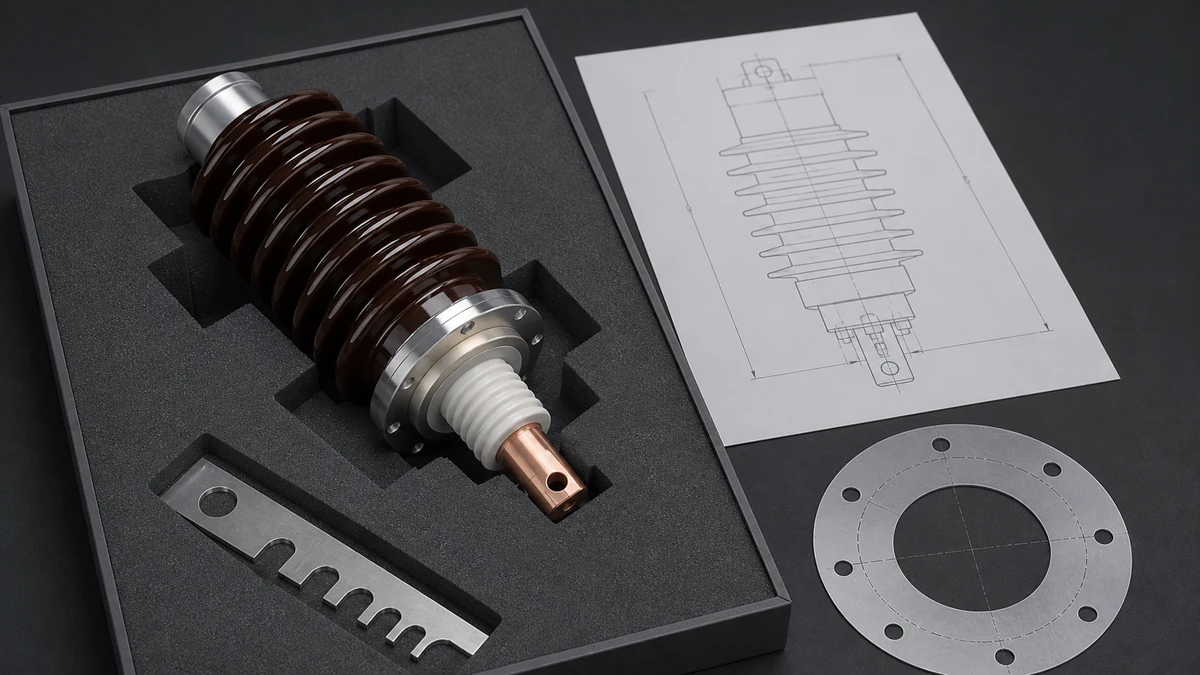
A transformer bushing RFQ needs more than the transformer's rating or a cropped nameplate photo. Record the bushing's identity, winding position, electrical data, flange and conductor arrangement, then compare site evidence with the outline drawing to expose unresolved fit questions before quotation.
Create a separate replacement record for each transformer bushing position, preserving its type designation, job or serial number, and revision where available.
Keep electrical data separate from oil-side geometry, flange dimensions, conductor arrangement, and installed orientation.
Use the outline drawing as the dimensional reference, supplement it with site photographs, and flag discrepancies or unreadable markings for supplier review.
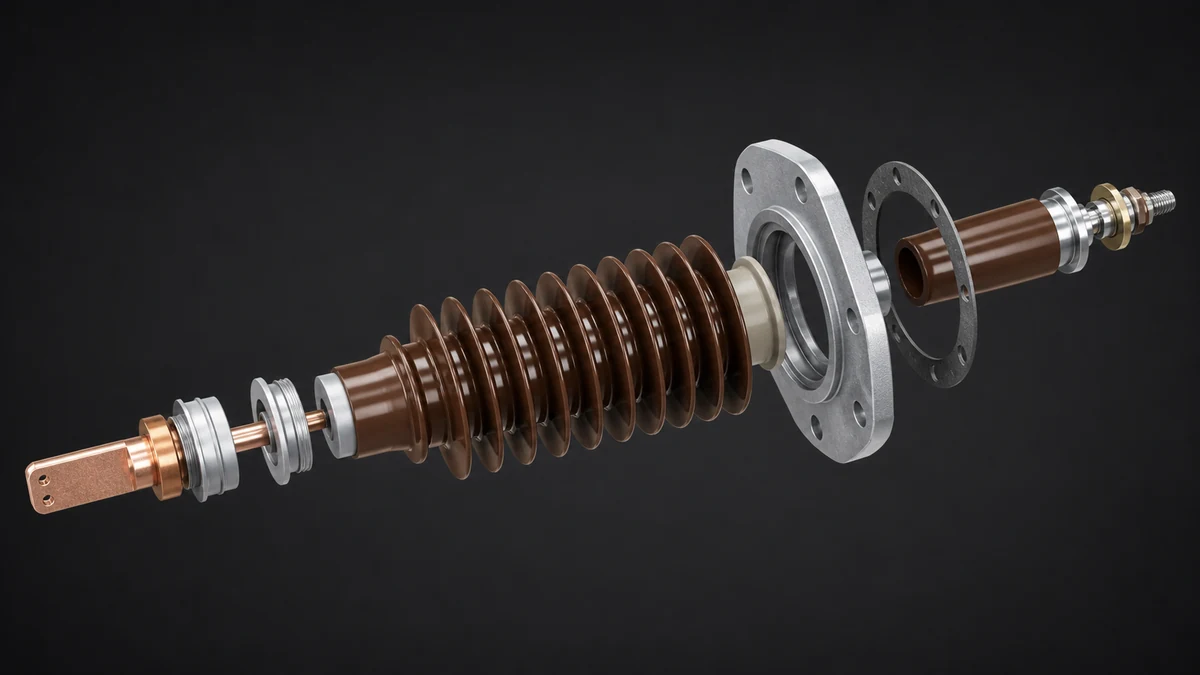
This checklist shows which transformer bushing replacement data to collect before requesting a quote for HV or LV bushings. The goal is to let the supplier match the existing unit from identity, application, geometry, and drawing references rather than from electrical rating alone.
This is an RFQ-preparation guide, not a confirmation that any two bushings are interchangeable and not an installation procedure. A supplier still needs the applicable drawing set and qualified engineering review before a replacement can be accepted.
Start one controlled replacement record
Open one record for each bushing position. Keep the transformer identity, the bushing identity, photos and drawing references together so that a supplier can trace every value back to evidence rather than reconstructing the request from email fragments.
Data group
What to record
Evidence to attach
Status
Transformer context
Transformer identifier, winding side, bushing position and project reference
Overall transformer and terminal-area photos
Pending / complete
Bushing identity
Type designation, serial or job number, revision and all legible markings
Straight-on nameplate and marking photos
Pending / complete
Electrical selection data
Ratings and insulation-related values only where marked or documented
Nameplate, approved data sheet or technical guide
Pending / complete
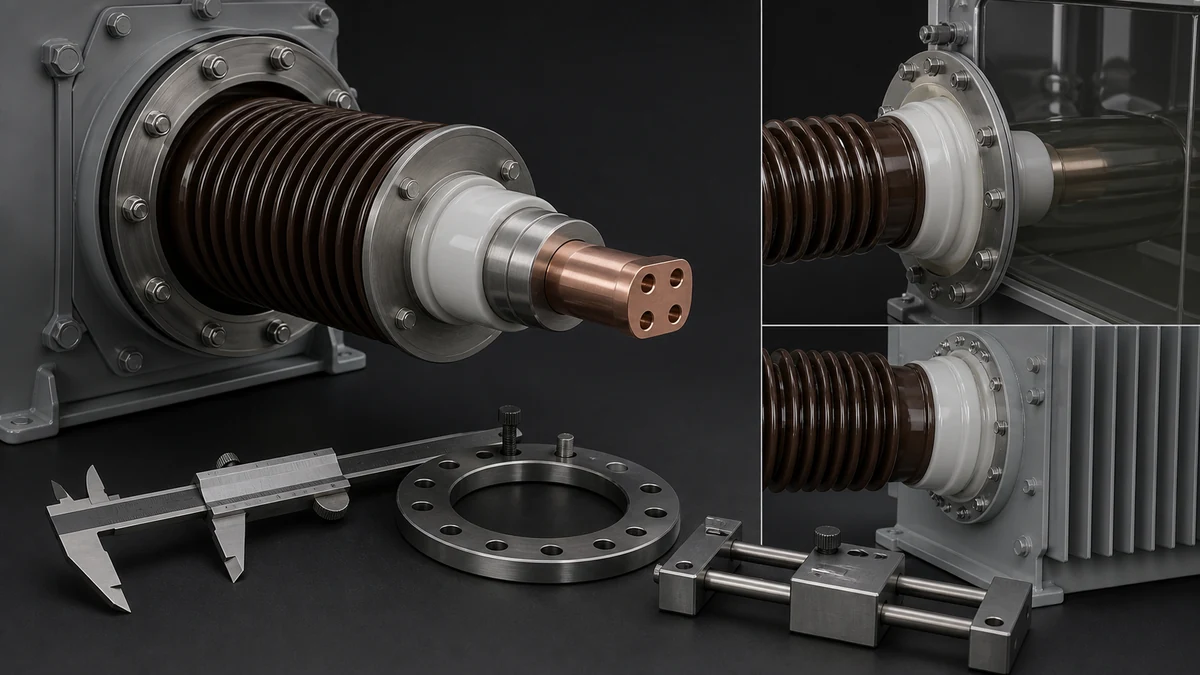
Mechanical interface
Flange, oil-side, air-side, mounting position and conductor arrangement
Outline drawing, measured sketch and interface photos
Pending / complete
Open questions
Missing markings, damaged parts, contradictory documents or site constraints
Annotated photo list and question log
Pending / complete
Use “unknown” rather than a guessed value. An identified gap is useful because it tells the supplier which drawing, inspection or site clarification is still needed.
Record the exact identity of the existing bushing
Start with every marking you can verify on the unit itself.
Transcribe the type designation exactly as shown.
Capture the job number if it appears on the nameplate or records.
Note the current version or revision if it is listed.
Photograph all legible identity markings before the bushing is removed.
Keep photos of the nameplate, stamped text, and any attached tags together.
Separate apparatus data from bushing data
Do not mix the transformer’s application details with the bushing’s own identifiers.
Record the apparatus application.
Record the insulation type.
Record the mounting position.
Record the connection type.
Keep these fields separate in the RFQ so the replacement request is not reduced to a single generic description.
This separation matters because the same electrical name can still sit in a different installation context.
Capture the transformer-side context
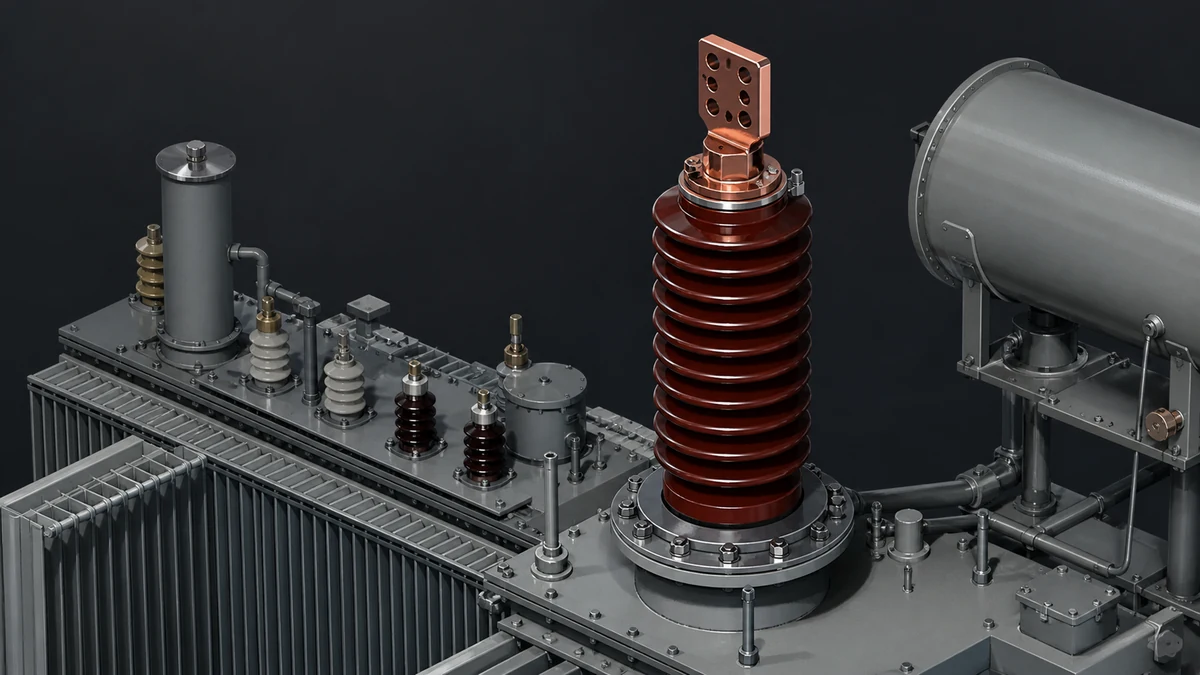
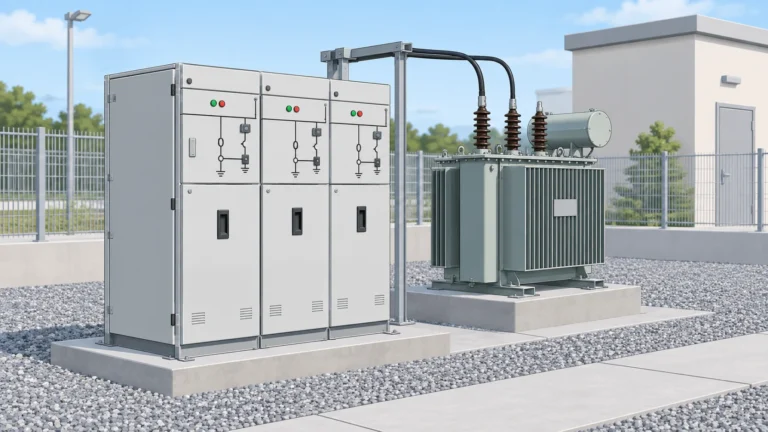
The bushing does not operate as an isolated catalog item. Record enough site context for the supplier to understand which side of the transformer and which connection arrangement the request concerns.
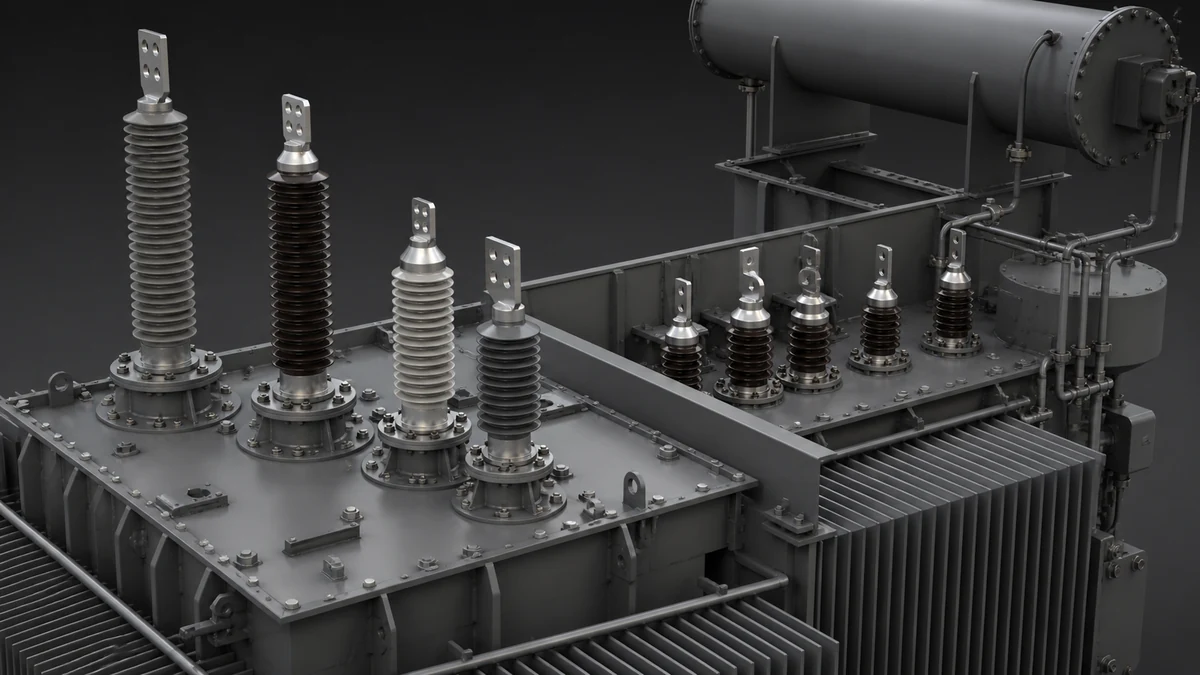
Identify the transformer and the relevant HV or LV terminal position.
Record whether the bushing is mounted vertically, horizontally or at another documented orientation.
Photograph the external connection area and the transformer-side mounting zone separately.
Note whether the request concerns one position or a matched group of positions.
Flag site limitations such as a planned outage, restricted access or a requirement to retain the existing flange arrangement.
Do not infer bushing identity from the transformer rating alone. The transformer record provides context; the bushing marking and drawing provide the replacement reference.
Capture the electrical inputs as separate fields
The replacement RFQ should preserve each electrical selection input on its own line.
Record the rated current exactly as shown.
Record the lightning impulse level if it is available.
Record the insulator choice.
Record any current-transformer space information.
Attach any technical or installation guide references that came with the existing unit or project file.
Do not collapse these into one free-text specification. The selection data is more useful when each item stays distinct.
Treat fit, geometry, and conductor arrangement as separate compatibility checks
A quote based only on electrical rating is incomplete.
State whether the replacement is being matched to an existing installed bushing, not a new design.
Flag any visible differences that affect interchangeability, even if the nameplate data looks close.
Replacement guidance treats these as distinct compatibility points, so the RFQ should do the same.
Use drawings and guides to avoid quoting from memory
The official dimensions belong to the outline drawing, not to a rough field estimate.
Save the outline drawing reference.
Save the dimension drawing if one is available.
Use the drawing to confirm official dimensions.
Keep technical and installation guides with the RFQ package when available.
If the drawing and the bushing photo disagree, call that out instead of guessing.
Keep a drawing-versus-site comparison log
The outline drawing is the authoritative dimensional reference, but it does not replace site evidence. Add a short comparison log to the RFQ when a drawing is available.
Comparison item
Drawing reference
Site evidence
Action if different
Mounting face and flange
Outline drawing reference and revision
Front and side photos
Ask for engineering confirmation before quoting
Connection end
Drawing configuration
Connection-area photo
Record whether the arrangement is unclear
Mounting position
Installation guide or drawing note
Installed orientation photo
Do not assume an alternate orientation is acceptable
Envelope and clearances
Outline dimensions
Field sketch or contextual photo
Flag any apparent interference for review
This log does not certify a fit. It makes the evidence and any discrepancy visible to the person evaluating a proposed replacement.
Build the RFQ package so the supplier can answer fast
The easiest RFQ to quote is the one that removes ambiguity.
Identify whether the request is for an HV or LV bushing.
Include clear photos of the nameplate, mounting face, and connection area.
Transcribe every available identity marking exactly.
List what is known and what is still missing.
If a job number appears in the records, include it exactly as written.
If the existing unit came from a manufacturer record, preserve the original wording rather than paraphrasing.
Send evidence in a reviewable order
Package the request so a supplier can review it without guessing which image belongs to which transformer position.
1. Start with the RFQ record and identify the requested quantity and positions.
2. Add overall transformer context photos, then separate nameplate, mounting-face and connection-area photos.
3. Attach the source outline drawing and installation or technical-guide references where available.
4. Add a dimensional sketch only as a supplement to the official drawing; clearly distinguish field observations from drawing values.
5. End with a list of unresolved items and ask the supplier to confirm which items are required before a technical proposal can be issued.
Avoid sending a single cropped nameplate image as the entire request. It can establish a useful starting point, but it cannot prove mounting, conductor or interface compatibility.
FAQ
What is transformer bushing replacement data?
Transformer bushing replacement data is the set of identity, application, electrical, mechanical, and drawing-based details needed to request a matching replacement quote. It should let the supplier compare the existing unit against the correct reference without relying on a single rating line.
What is the minimum identity information to record before sending an RFQ?
At minimum, record the type designation, any job number, and any visible current version or revision. Add clear photos of all available markings so the supplier can verify the transcription.
What is the difference between official dimensions and field measurements?
Official dimensions come from the outline drawing or dimension drawing, while field measurements are only observation notes. For a replacement quote, keep the drawing reference separate from any hand-measured values.
What is the safest way to handle missing or unclear markings?
Photograph the marking, transcribe only what is legible, and mark the rest as unknown. Do not guess a value or substitute a likely-looking code, because replacement compatibility depends on exact identity and geometry data.
What should a supplier confirm before a replacement is ordered?
The supplier should address the bushing identity, documented electrical selection data, mounting and flange interface, conductor arrangement, outline-drawing reference and every open discrepancy in the RFQ record. If any point remains unresolved, treat it as an engineering review item rather than an assumed match.
LEO Chen
With more than 20 years of industry experience, LEO Chen has worked with major companies on switchgear, transformer components and medium-voltage equipment projects. He contributes practical guidance for engineers and sourcing teams, with a focus on clear selection criteria, application context and the information needed to prepare an informed RFQ. Connect with LEO on LinkedIn.